Estimated read time: 13 minutes | Category: Corporate Scandals | Last updated: June 2025
The Woman Who Was Going to Change Medicine Forever
She was 19 years old, a Stanford dropout, and she was going to revolutionise healthcare. That was the story Elizabeth Holmes told — and for more than a decade, one of the most powerful cities in the world believed every word of it.
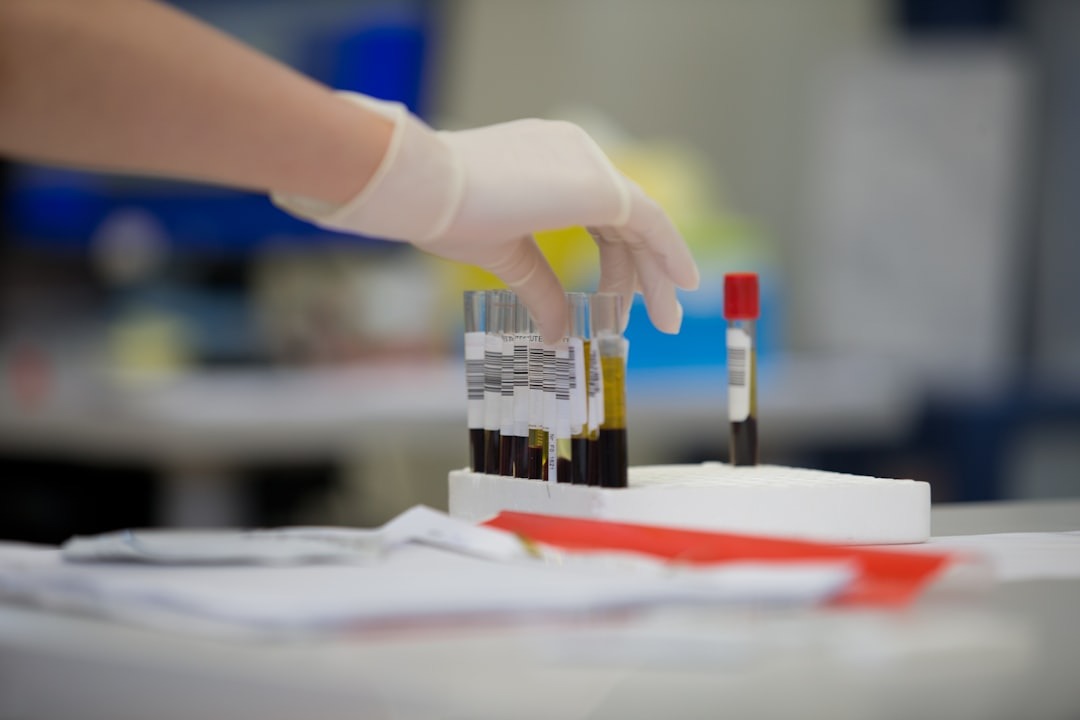
The pitch was simple and genuinely compelling: what if you could run hundreds of medical tests from a single drop of blood, taken with a finger prick rather than a needle, processed in minutes rather than days, at a fraction of the cost of conventional laboratory testing? What if the technology that kept healthcare out of reach for millions of people could be democratised by a small black box the size of a computer tower?
Holmes called the machine the Edison. She called the company Theranos — a portmanteau of “therapy” and “diagnosis.” She wore a black turtleneck, spoke in a deliberately deepened voice, and positioned herself as the Steve Jobs of medicine. Investors lined up. Billboards went up. Walgreens signed a deal. The US military expressed interest. The company was valued at $9 billion.
The Edison did not work. It had never worked. And while Holmes built her empire on a technology that existed only in presentations and promises, real patients were receiving false medical results that affected their health decisions, their treatments, and their lives.
This is the full story of Theranos.
What We Know For Certain
- [FACT] Elizabeth Holmes founded Theranos in 2003 at the age of 19, dropping out of Stanford University’s chemical engineering programme to do so.
- [FACT] At its peak in 2013–2014, Theranos was valued at approximately $9 billion, making Holmes the youngest self-made female billionaire in history according to Forbes magazine.
- [FACT] Theranos raised approximately $900 million from investors including media mogul Rupert Murdoch, Oracle founder Larry Ellison, and the Walton family.
- [FACT] The Theranos Edison device was never able to reliably perform the majority of tests Holmes claimed it could. The company secretly ran most tests on conventional third-party laboratory machines while telling patients and investors otherwise.
- [FACT] In 2015, Wall Street Journal investigative reporter John Carreyrou published the first major exposé of Theranos’s fraudulent claims, triggering federal investigations.
- [FACT] In January 2022, Elizabeth Holmes was convicted of four counts of criminal fraud against investors. She was sentenced to 11 years and 3 months in federal prison.
- [FACT] Theranos President Ramesh “Sunny” Balwani was separately convicted of twelve counts of fraud — including fraud against patients — and sentenced to nearly 13 years in federal prison.
The Origin Story Holmes Sold to the World
[FACT] Holmes told a consistent and emotionally powerful origin story: she was terrified of needles, she had a beloved uncle who died of cancer that might have been caught earlier with better testing, and she wanted to create technology that would save lives through early detection. The story was compelling, personal, and almost entirely constructed for effect.
[FACT] Holmes enrolled at Stanford in 2002 and took a summer research programme in Singapore the following year, where she worked in a laboratory testing for SARS using conventional blood analysis methods. She became convinced that miniaturised blood testing technology was both possible and urgently needed.
She dropped out of Stanford in 2003, used her tuition money to found the company, and began what would become one of the most audacious long cons in corporate history — not because the idea was fraudulent from the start, but because when the technology proved impossible to build, Holmes chose to fake it rather than admit failure.
[ANALYSIS] This is perhaps the most important and least understood aspect of the Theranos story. Holmes may have begun as a genuine true believer in her own vision. The fraud was not necessarily conceived on day one — it evolved as the gap between the promise and the reality became impossible to close honestly, and the consequences of admitting failure became too large to face.
The Technology That Did Not Exist
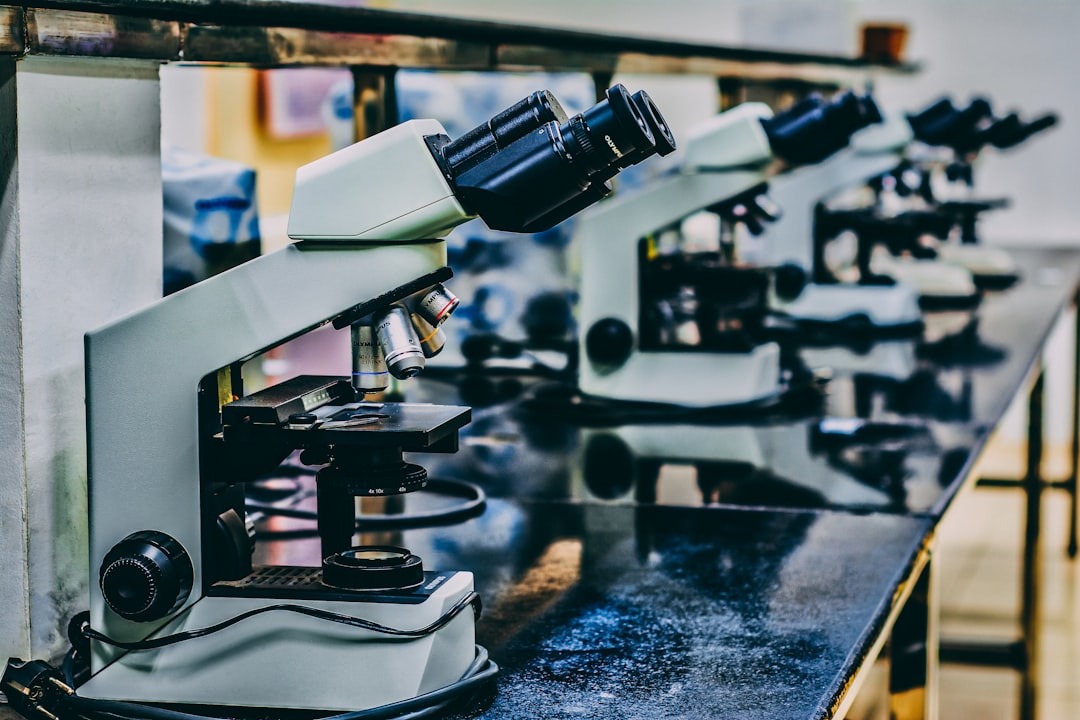
The central promise of Theranos was that the Edison machine could perform hundreds of laboratory tests from a tiny blood sample taken by finger prick. [FACT] Conventional blood tests require venous blood draws — needles inserted into veins — because finger-prick samples are too small, too prone to contamination from tissue fluid, and too difficult to work with for most standard assays.
[FACT] The scientific community had serious doubts about Holmes’s claims from early in Theranos’s existence. The challenge of running reliable laboratory assays on micro-samples of capillary blood is not merely an engineering problem — it involves fundamental limitations in the chemistry of how blood tests work. Multiple scientists who worked at Theranos or evaluated its technology raised these concerns internally and externally.
[FACT] Internal Theranos documents revealed in court showed that the Edison device had failure rates and accuracy problems that made its results clinically unreliable for most of the tests being offered. Rather than address these failures transparently, Holmes and Balwani directed staff to continue using the Edison for patient tests while secretly routing the majority of samples to conventional Siemens laboratory equipment — then reporting all results as if they had come from the Edison.
[FACT] Patients who received Theranos tests through Walgreens locations in Arizona and California were receiving results from this hybrid system — with no idea that the revolutionary technology they believed they were using was, in most cases, a conventional laboratory machine dressed up as something else. Some received false results for conditions including HIV, cancer markers, and thyroid disorders.
The Board That Asked No Questions
One of the most remarkable aspects of the Theranos story is the composition of its board of directors — and what they did not do.
[FACT] The Theranos board at its height included former US Secretary of State George Shultz, former US Secretary of Defense James Mattis, former US Secretary of State Henry Kissinger, former US Senator Bill Frist, and former Navy Admiral Gary Roughead. It was one of the most decorated boards in American corporate history.
[ANALYSIS] It was also almost entirely composed of people with political and military backgrounds rather than medical or scientific expertise. None of the board members had the technical knowledge to evaluate whether Holmes’s claims about blood testing technology were scientifically credible. They were dazzled by the pitch, the potential, and the founder — and they appear to have asked very few probing technical questions.
[FACT] George Shultz’s own grandson, Tyler Shultz, was a Theranos employee who became one of the key whistleblowers who brought the company’s fraud to light. He approached his grandfather multiple times with concerns about the technology’s accuracy. George Shultz sided with Holmes. The relationship between the two was severely damaged as a result.
The Wall Street Journal Investigation
[FACT] In October 2015, Wall Street Journal reporter John Carreyrou published the first major public exposé of Theranos, based on months of reporting with sources including current and former employees. The article revealed that the Edison device was being used for only a small fraction of the tests Theranos offered, that results were unreliable, and that the company had misled investors and partners about its technology.
[FACT] Holmes’s response was aggressive and immediate. She appeared on CNBC and called the story “factually and scientifically wrong.” Theranos’s lawyers sent threatening letters to the Journal. Holmes personally lobbied Rupert Murdoch — who had invested $125 million in Theranos and owned the Wall Street Journal’s parent company — to kill the story. Murdoch declined to intervene.
[FACT] Following Carreyrou’s investigation, the Centers for Medicare and Medicaid Services (CMS) conducted inspections of Theranos’s laboratory and found serious deficiencies. In 2016, CMS revoked Theranos’s laboratory certification, banned Holmes from operating any clinical laboratory for two years, and proposed financial penalties.
The Collapse
Once the Journal investigation broke and federal regulators began examining Theranos’s operations, the collapse was rapid:
- [FACT] Walgreens terminated its partnership with Theranos in June 2016, followed shortly by Safeway, which had spent $350 million building out in-store clinics for Theranos tests that never launched publicly.
- [FACT] The SEC and US Department of Justice opened criminal investigations in 2016.
- [FACT] Forbes revised Holmes’s estimated net worth from $4.5 billion to effectively zero in 2016.
- [FACT] Theranos voided or corrected tens of thousands of blood test results it had issued to patients.
- [FACT] The company dissolved entirely in September 2018.
The Trial and Conviction
[FACT] Elizabeth Holmes was charged with two counts of conspiracy to commit wire fraud and nine counts of wire fraud in June 2018. The trial, delayed significantly by the COVID-19 pandemic, began in August 2021.
[FACT] Holmes’s defence strategy was notable. Her legal team argued that she genuinely believed in the technology, that she was herself deceived by Balwani and her scientific team, and — in a highly controversial move — that she had been in an abusive relationship with Balwani that compromised her judgement and her ability to act independently.
[FACT] On January 3, 2022, Holmes was convicted of four counts of criminal fraud — specifically against investors — and acquitted on charges related to defrauding patients. She was sentenced in November 2022 to 11 years and 3 months in federal prison and ordered to pay $452 million in restitution.
[FACT] Balwani was tried separately and convicted on all twelve counts against him — including the patient fraud charges of which Holmes was acquitted. He was sentenced to nearly 13 years in prison.
How Did Nobody Notice for So Long?
The question that haunts the Theranos story is not how Holmes built the fraud — it is how she sustained it for so long against so many sophisticated people.
[ANALYSIS] Several factors combined to make Theranos uniquely difficult to scrutinise:
- Extreme secrecy: Holmes enforced near-total information compartmentalisation inside Theranos. Individual teams knew only their own piece of the puzzle. NDAs were aggressive and legally enforced. Employees who raised concerns were fired or threatened.
- The power of the narrative: The story Holmes told — young woman, dropout, democratising healthcare, saving lives — was so emotionally compelling that it activated a kind of critical thinking shutdown in many investors and partners. People wanted it to be true.
- Board composition: The prestige board with no scientific expertise provided legitimacy without oversight. Investors saw Kissinger and Shultz and assumed due diligence had been done.
- Silicon Valley culture: The “fake it till you make it” ethos of Silicon Valley startups normalised bold claims about unproven technology. Holmes’s behaviour was not dramatically different in style from other celebrated founders — the difference was that the others eventually shipped working products.
- Regulatory gaps: Laboratory developed tests occupied a regulatory grey area that allowed Theranos to avoid the FDA approval process that would have exposed the Edison’s failures far earlier.
What Theranos Left Behind
The Theranos story did not end with Holmes’s conviction. Its legacy is still being felt across healthcare, investment, and corporate governance.
[FACT] The FDA significantly tightened regulations around laboratory developed tests in the years following the Theranos scandal. The regulatory gap that Holmes exploited has largely been closed.
[FACT] Multiple former Theranos patients filed lawsuits claiming their health was harmed by false or inaccurate test results. Some received false positives for serious conditions including HIV and cancer, leading to unnecessary medical interventions and significant psychological distress.
[ANALYSIS] Perhaps the most lasting impact of Theranos is on the culture of Silicon Valley itself. The scandal forced a reckoning with the limits of “visionary founder” mythology — the idea that a charismatic leader’s belief in a product is sufficient due diligence. Holmes embodied every quality the Valley celebrates: the dropout narrative, the turtleneck, the world-changing mission, the refusal to accept that something could not be done. That those same qualities can be weaponised for fraud was a lesson the industry learned expensively.
Conclusion
Elizabeth Holmes was not simply a fraudster. She was a fraudster who understood Silicon Valley’s deepest beliefs about itself — that vision matters more than evidence, that disruption requires secrecy, that the right story can precede the right product — and used those beliefs as the mechanism of her con.
The investors who lost money were sophisticated people. The board members who provided cover were decorated public servants. The journalists and scientists who raised questions were silenced by legal threats and social pressure. The patients who received false results had no idea they were part of an experiment in how far a compelling narrative could carry a company with nothing real at its centre.
The Edison never worked. But the story around it worked extraordinarily well — for a very long time, against very smart people — and that is perhaps the most disturbing thing the Theranos scandal revealed about how we decide what to believe.
Written and reviewed by the MysteryVerse editorial team. All facts sourced from court records, SEC filings, John Carreyrou’s Bad Blood: Secrets and Lies in a Silicon Valley Startup (2018), official CMS inspection reports, and verified news coverage from the Wall Street Journal, New York Times, and Reuters.
All analysis is clearly labelled [ANALYSIS] and represents editorial interpretation of documented facts.
Spotted an error? Contact us and we will correct it promptly.