Estimated read time: 12 minutes | Category: Unsolved Mysteries | Last updated: June 2025
The Plane Nobody Was Flying
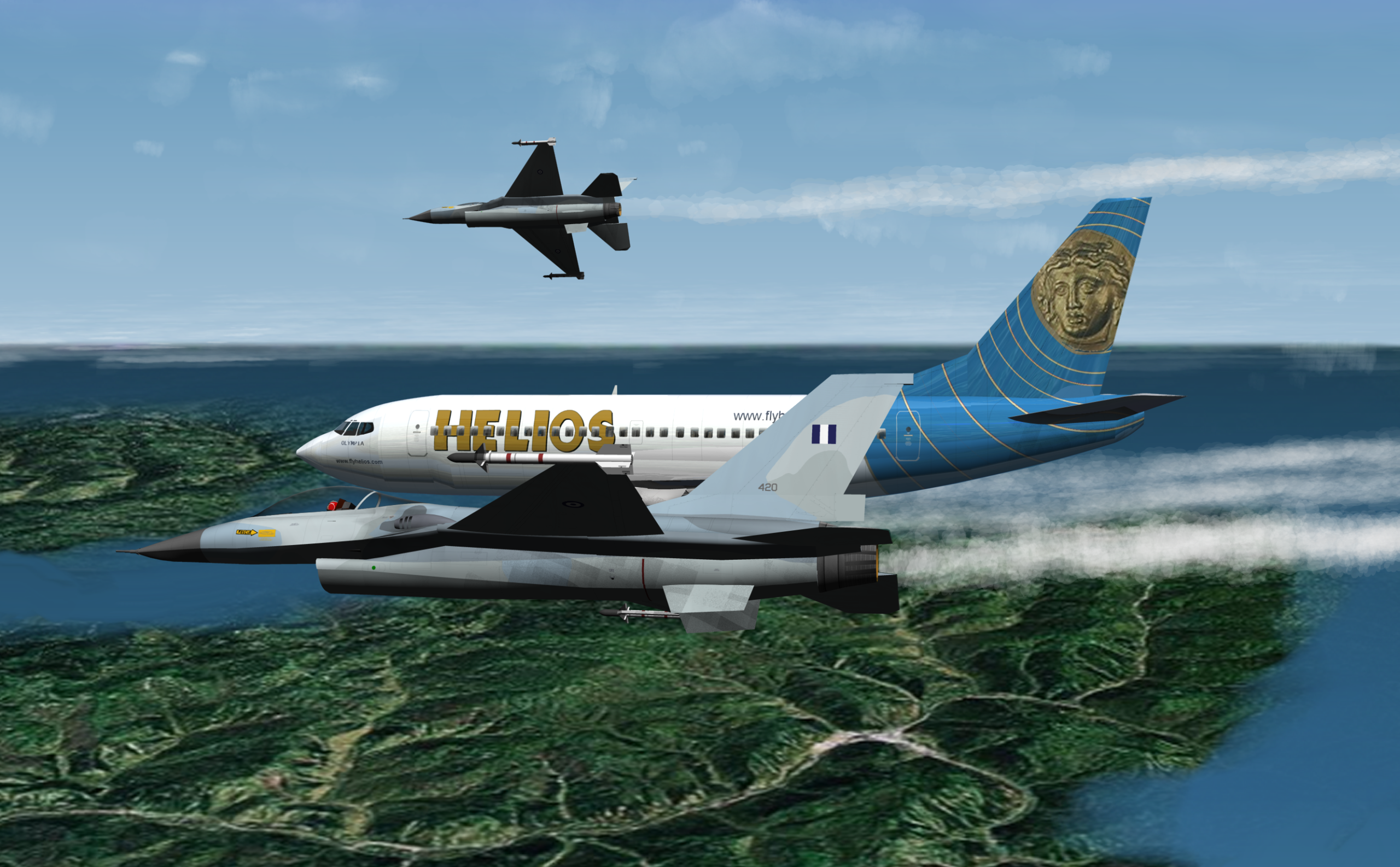
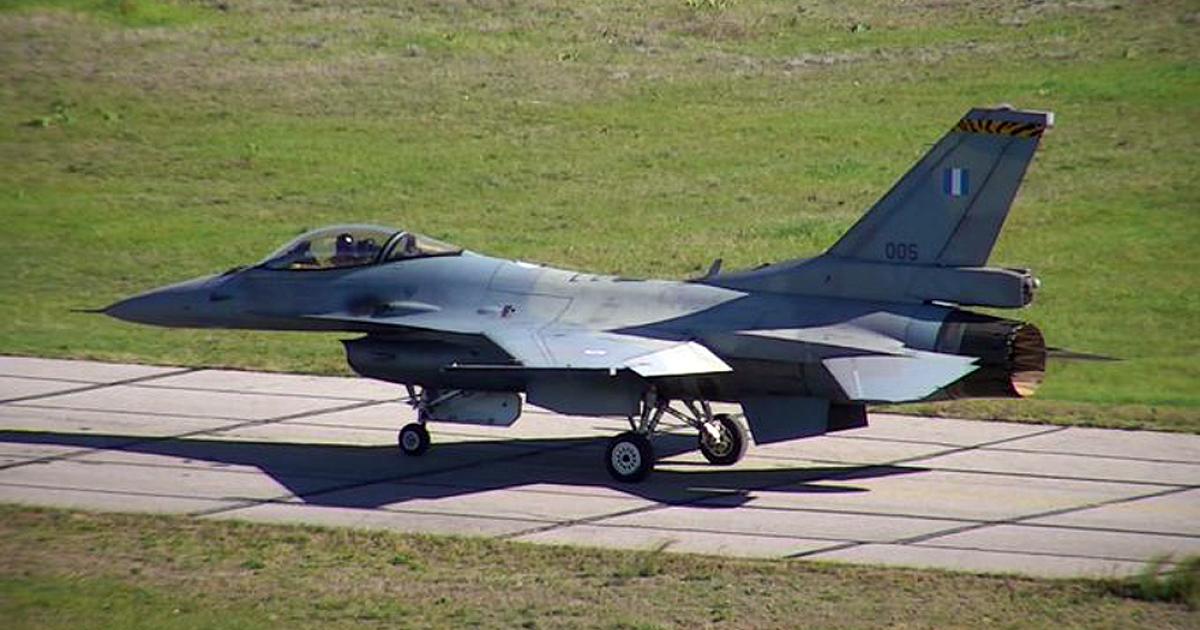
At 9:20 AM on August 14, 2005, two Greek Air Force F-16 fighter jets pulled alongside a Boeing 737 that had been flying erratically over the Aegean Sea for nearly two hours. The aircraft — Helios Airways Flight 522, operating from Larnaca in Cyprus to Athens — had stopped responding to radio calls. Greek air traffic control had been trying to reach it for over an hour. The military had been scrambled.
When the F-16 pilots drew level with the cockpit and looked through the windows, what they saw was one of the most disturbing sights in the history of commercial aviation.
The co-pilot was slumped unconscious in his seat. The captain’s seat was empty. The other seat appeared to be occupied by a figure that was not moving normally. The aircraft was flying on autopilot, maintaining course and altitude, with nobody apparently at the controls — a ghost plane, carrying 115 passengers and 6 crew members, all of whom were by this point unconscious or dead.
The F-16 pilots watched in horror as, with approximately 20 minutes of fuel remaining, a figure appeared in the cockpit — a flight attendant, struggling toward the controls. He was the last person alive on the aircraft.
He could not save it.
What We Know For Certain
- [FACT] Helios Airways Flight 522 departed Larnaca International Airport, Cyprus at 9:07 AM local time on August 14, 2005, bound for Athens International Airport with 115 passengers and 6 crew aboard.
- [FACT] The aircraft — a Boeing 737-300, registration 5B-DBY — lost contact with Greek air traffic control and failed to begin its descent into Athens as scheduled.
- [FACT] Two Hellenic Air Force F-16 fighters were scrambled and intercepted the aircraft at approximately 11:24 AM. The F-16 pilots observed the co-pilot slumped in his seat and a figure in a flight attendant uniform attempting to reach the controls.
- [FACT] The aircraft crashed into a hillside near Grammatiko, approximately 40 kilometres north of Athens, at 12:03 PM. All 121 people aboard died.
- [FACT] The official investigation by the Greek Air Accident Investigation and Aviation Safety Board concluded that the accident was caused by the crew’s failure to set the pressurisation system to automatic mode before departure, resulting in loss of cabin pressure and hypoxia affecting all aboard.
- [FACT] The individual identified as the last survivor attempting to reach the cockpit was Andreas Prodromou, 25, a flight attendant who held a private pilot licence. He is believed to have been conscious for a brief period due to access to a portable oxygen supply.
- [FACT] The Helios accident directly influenced changes to aircraft warning systems, crew procedures, and regulatory requirements for pressurisation system checks worldwide.
The Flight — What the Data Shows
Departure and the Fatal Mistake
[FACT] Before departure from Larnaca, the aircraft had undergone a maintenance check that included testing of the pressurisation system in manual mode. A maintenance engineer had set the pressurisation controller to “manual” for this test. After the test, the controller was not returned to “automatic” — the setting required for normal flight operations.
[FACT] The Boeing 737’s pressurisation system, when set to manual, does not automatically pressurise the cabin as the aircraft climbs. The crew failed to notice the incorrect setting during their pre-flight checks. As the aircraft climbed after departure from Larnaca, the cabin altitude — the equivalent altitude that passengers and crew were experiencing inside the aircraft — began to rise along with the aircraft’s actual altitude.
[FACT] At approximately 9:12 AM, five minutes after departure, the aircraft’s equipment cooling warning light illuminated — a warning that can indicate a pressurisation problem. The captain called Helios maintenance in Cyprus and described the warning. The maintenance engineer who had performed the morning’s work suggested the light might be related to the equipment cooling system rather than pressurisation. The connection between the morning’s pressurisation test and the current warning was not made.
[FACT] At approximately 9:24 AM, as the aircraft climbed through 18,000 feet, the cabin altitude warning horn sounded — a warning specifically indicating that the cabin altitude had exceeded 10,000 feet and required immediate crew action. The captain, in his final radio transmission, told Helios maintenance that the “takeoff configuration warning” was sounding — misidentifying the cabin altitude horn as a different warning. On the Boeing 737, the two warnings use the same horn, a design issue the investigation later identified as a contributing factor.
Hypoxia Takes Hold
[FACT] Hypoxia — oxygen deprivation — is an insidious condition. At high altitude without supplemental oxygen, cognitive impairment begins within minutes and loss of consciousness follows. Crucially, hypoxia impairs the ability to recognise that one is becoming hypoxic — victims often feel fine, or even euphoric, as they lose the capacity to think clearly.
[FACT] By the time the aircraft reached cruise altitude — approximately 34,000 feet — the cabin altitude had reached approximately 18,000 feet. At this altitude, useful consciousness is limited to approximately 20-30 minutes without supplemental oxygen. The crew had oxygen masks available but would have needed to recognise the situation and consciously reach for them.
[FACT] The flight data recorder shows the autopilot engaged normally and maintained the programmed flight path throughout. The aircraft flew its route perfectly — Athens waypoints, altitude, speed — as its crew and passengers lost consciousness one by one. The autopilot did not know or care that nobody was monitoring it.
[FACT] The cockpit voice recorder captured the sounds on the flight deck as the crew succumbed to hypoxia. The captain’s final radio transmission — misidentifying the cabin altitude warning as a takeoff configuration warning — occurred at approximately 9:24 AM. After that, silence from the cockpit, with only the automated warning tones audible on the recording.
The Two Hours of Silence
[FACT] Greek air traffic control attempted to contact Flight 522 repeatedly from approximately 10:00 AM onward, as the aircraft failed to initiate its descent into Athens and did not respond to radio calls. The transponder continued to transmit normally, showing the aircraft at its correct altitude and on its correct track.
[FACT] The aircraft entered the Athens Terminal Control Area, began to circle in the holding pattern its autopilot was programmed to fly when approach clearance was not received, and continued to circle — fuel gradually depleting — as Greek authorities escalated their response. At 11:05 AM, the Hellenic Air Force was notified. Two F-16 fighters were scrambled.
The F-16 Intercept — What the Pilots Saw
[FACT] The F-16 fighters reached Flight 522 at approximately 11:24 AM. The lead pilot drew alongside the Boeing 737 and examined the cockpit. His report, filed afterward, described seeing the co-pilot slumped in his seat, not moving. The captain’s seat appeared empty. Oxygen masks were hanging from the ceiling throughout the visible cabin — passengers had apparently deployed or reached for the masks as the cabin altitude alarm sounded, though by then cognitive impairment was likely too advanced for effective use.
[FACT] The F-16 pilot attempted to attract attention by flying close to the cockpit windows and activating his afterburner — producing a visible flash and a shockwave. There was no response from the Boeing 737’s cockpit.
[FACT] At approximately 11:49 AM, the F-16 pilot reported seeing a figure — later identified as Andreas Prodromou — moving in the cockpit area. The figure appeared to be struggling, moving toward the front of the aircraft. The F-16 pilots attempted to signal him and guide him.
Andreas Prodromou — The Last Survivor
[FACT] Andreas Prodromou, 25, was a flight attendant aboard Flight 522. He held a private pilot licence — an unusual qualification for a flight attendant, but one that would have given him some familiarity with aircraft systems. He is believed to have had access to a portable oxygen supply — possibly a passenger oxygen bottle — that kept him conscious for a period after the rest of the crew and passengers had succumbed to hypoxia.
[FACT] Prodromou entered the cockpit at approximately 11:50 AM — approximately two and a half hours after the pressurisation failure began. The F-16 pilot observed him at the controls. The aircraft’s flight path changed slightly — consistent with manual inputs — suggesting Prodromou attempted to control the aircraft.
[FACT] The engines flamed out due to fuel exhaustion at approximately 12:00 PM. Without engine power, the aircraft began to descend rapidly. At 12:03 PM, Flight 522 struck a hillside near Grammatiko, Greece, at high speed. The impact was not survivable.
[ANALYSIS] Prodromou’s final minutes represent one of the most extraordinary and tragic stories in aviation history. A young man, alone on a plane full of the unconscious and dead, attempting to fly an aircraft he was not qualified to command, in a situation no training could have prepared him for, watched by fighter jet pilots who could do nothing to help. Whether he understood what had happened or had any realistic hope of saving the aircraft cannot be known. He died trying.
The Investigation and Its Findings
[FACT] The Greek Air Accident Investigation and Aviation Safety Board (AAIASB) conducted the official investigation. Its final report, published in November 2006, identified the following causal chain:
- The aircraft’s pressurisation system was left in manual mode following the pre-departure maintenance check
- The crew failed to identify the incorrect pressurisation mode during pre-flight checks
- As the aircraft climbed, the cabin altitude increased to a level that caused incapacitation of the crew through hypoxia
- The incapacitated crew were unable to respond to the cabin altitude warning or take corrective action
- The aircraft continued on autopilot until fuel exhaustion, then crashed
[FACT] Contributing factors identified by the investigation included: the identical warning horn for the cabin altitude warning and the takeoff configuration warning (which led the captain to misidentify the warning); the inadequate response by Helios maintenance personnel to the captain’s inflight report; and systemic safety management deficiencies at Helios Airways.
[FACT] The investigation also noted that the oxygen system in the cockpit — which uses a different supply from the passenger oxygen system and requires deliberate activation — had not been activated by the crew, and that the crew’s ability to recognise the need to activate it had been compromised by hypoxia before they could act effectively.
The Warning Signs That Were Missed
The Helios accident is particularly significant because multiple warning systems functioned correctly — and the warnings were still missed or misidentified. This has made it one of the most studied cases in human factors and aviation safety research.
On the Boeing 737, the cabin altitude warning horn and the takeoff configuration warning horn are the same device producing the same sound. The takeoff configuration warning — indicating the aircraft is not configured for takeoff (flaps wrong, spoilers up, etc.) — is a warning crews hear and respond to regularly during training and operations. The cabin altitude warning uses the same horn but has a very different meaning and requires very different action. When the captain heard the horn shortly after takeoff, his trained response was to interpret it as a takeoff configuration warning — a reasonable but fatal misidentification. The investigation recommended that the two warnings be made distinguishable, and Boeing subsequently addressed this in updated aircraft.
The pressurisation mode selector — a simple switch that had been left in manual rather than automatic — was a checklist item. The pre-flight checklist required verification of the pressurisation setting. The crew apparently failed to complete this check correctly. Aviation safety research consistently shows that checklist failures are among the most common contributing factors to accidents — not because checklists are ineffective, but because the conditions under which they are performed (time pressure, distraction, familiarity) create systematic vulnerabilities to specific types of error.
What Changed After Helios 522
[FACT] The Helios accident produced several significant safety changes in commercial aviation:
- Warning system differentiation: Boeing addressed the identical warning horn issue in the 737 series, making the cabin altitude warning more clearly distinguishable from other warnings
- Pressurisation check emphasis: Aviation regulators and airlines strengthened training and procedural emphasis on pressurisation system checks, particularly following maintenance activities
- Hypoxia awareness training: Pilot training programmes expanded their coverage of hypoxia recognition and response, emphasising the insidious nature of oxygen deprivation and the importance of immediately donning oxygen masks at the first sign of a pressurisation issue
- Maintenance-to-crew communication: Procedures for communicating maintenance actions that affect aircraft configuration — particularly when an aircraft is handed over in a non-standard state — were strengthened
- Ground to air emergency procedures: Procedures for responding to non-communicating aircraft were reviewed and refined, drawing on the experience of the Greek authorities’ response
The Criminal Trial
[FACT] Greek prosecutors charged multiple individuals associated with the accident with manslaughter, including the Helios Airways accountable manager, the maintenance engineer who left the pressurisation switch in manual mode, and others. The trials extended over several years through the Greek court system.
[FACT] In 2008, a Greek court convicted several Helios Airways officials of manslaughter. The convictions were subsequently appealed and the legal process continued for years. The case highlighted questions about corporate criminal accountability for aviation accidents that are relevant to other jurisdictions.
Conclusion
Helios Flight 522 is one of the most haunting stories in aviation history — not because it was caused by something mysterious, but because it was caused by something so simple. A switch left in the wrong position. A warning misidentified. A chain of small failures that produced an outcome of extraordinary horror.
For nearly three hours, a Boeing 737 flew perfectly over the Aegean, maintaining its programmed route and altitude with mechanical precision, while everyone aboard was unconscious or dead. The autopilot did not know what had happened. The aircraft did not know. Only the F-16 pilots who drew alongside and looked through the windows knew — and they were powerless to intervene.
Andreas Prodromou died trying to do what nobody else aboard was capable of doing. He was 25 years old. He was the last person alive on a ghost plane, watched by jet fighters, with a hillside waiting ahead.
The switch that should have been set to automatic was found in the wreckage, still set to manual. That is what 121 lives cost. A switch. In the wrong position. And a chain of humans who did not catch it in time.
Written and reviewed by the MysteryVerse editorial team. Facts sourced from the Greek Air Accident Investigation and Aviation Safety Board Final Report (November 2006), the Hellenic Air Force F-16 pilot reports, Boeing technical documentation, and verified reporting from the Guardian, BBC, and Aviation Week.
The AAIASB final report is publicly available. It is one of the most thorough human factors analyses ever produced for a commercial aviation accident.
This article is dedicated to the 121 people aboard Helios Airways Flight 522 and to Andreas Prodromou.
Spotted an error? Contact us and we will correct it promptly.