Estimated read time: 12 minutes | Category: Science Mysteries | Last updated: June 2025
The Island That Is Not an Island
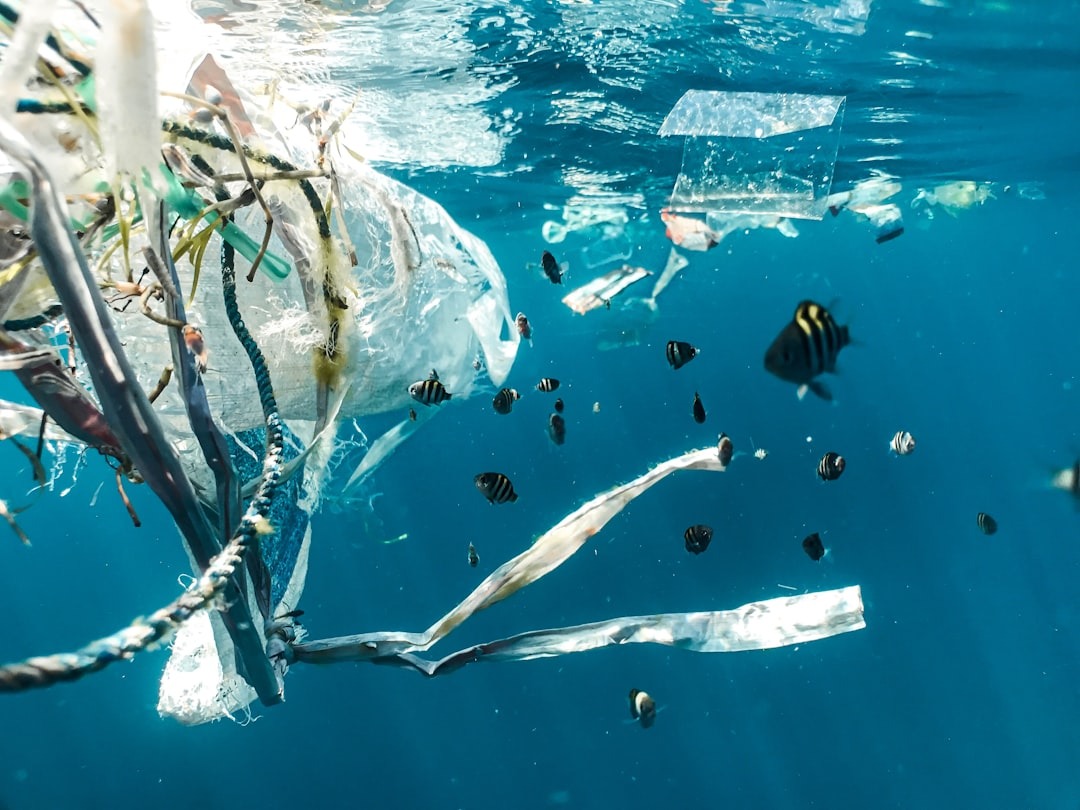
You have probably seen the image. A vast floating mass of plastic bottles, bags, and debris, stretching to the horizon, somewhere in the middle of the Pacific Ocean. Headlines describe it as an island twice the size of Texas. Some claim it is visible from space. It has become one of the most widely recognised symbols of environmental crisis in the modern world.
Almost none of that popular image is accurate.
The Great Pacific Garbage Patch is real. It is a serious environmental problem. It is also almost nothing like the floating island of visible trash that most people picture when they hear the term — and the gap between the popular perception and the scientific reality matters, because misunderstanding the problem makes it harder to address effectively.
Here is what the data actually shows.
What We Know For Certain
- [FACT] The Great Pacific Garbage Patch is a region of the North Pacific Ocean, located between Hawaii and California, where ocean currents concentrate floating marine debris.
- [FACT] The patch is formed by the North Pacific Subtropical Gyre — a system of rotating ocean currents that draws floating debris toward its centre and traps it there, similar to debris collecting in the centre of a slowly rotating bathtub.
- [FACT] A 2018 study by The Ocean Cleanup Foundation, published in Scientific Reports, estimated the patch covers approximately 1.6 million square kilometres — an area roughly three times the size of France, though estimates of the exact boundary vary because the patch has no fixed edge.
- [FACT] The same study estimated the patch contains approximately 1.8 trillion pieces of plastic, weighing approximately 80,000 tonnes.
- [FACT] The majority of the plastic by mass consists of larger debris including fishing nets and equipment — discarded or lost fishing gear, known as “ghost gear,” makes up an estimated 46% of the patch’s mass.
- [FACT] The patch is not visible from space, is not a solid mass, and cannot be walked on or meaningfully photographed as a single coherent “island.” Much of it consists of microplastics too small to see individually with the naked eye, dispersed through the water column rather than floating on the surface.
- [FACT] The patch was first hypothesised in a 1988 NOAA paper and was directly documented and named by oceanographer and racing boat captain Charles Moore in 1997, after sailing through the region and observing plastic debris.
How It Formed
[FACT] The North Pacific Subtropical Gyre is one of five major ocean gyres on Earth — large systems of rotating currents created by global wind patterns and the Earth’s rotation (the Coriolis effect). The gyre rotates clockwise, drawing surface material from the surrounding ocean toward its relatively calm, stable centre.
[FACT] This is the same mechanism that has historically made the centre of the Pacific gyre a region of low biological productivity and weak winds — sailors historically called similar regions in the Atlantic the “horse latitudes” or doldrums, areas where stagnant air made sailing ships difficult to navigate. The same calm, stable conditions that made these regions difficult for sailing ships now make them effective collection zones for floating debris.
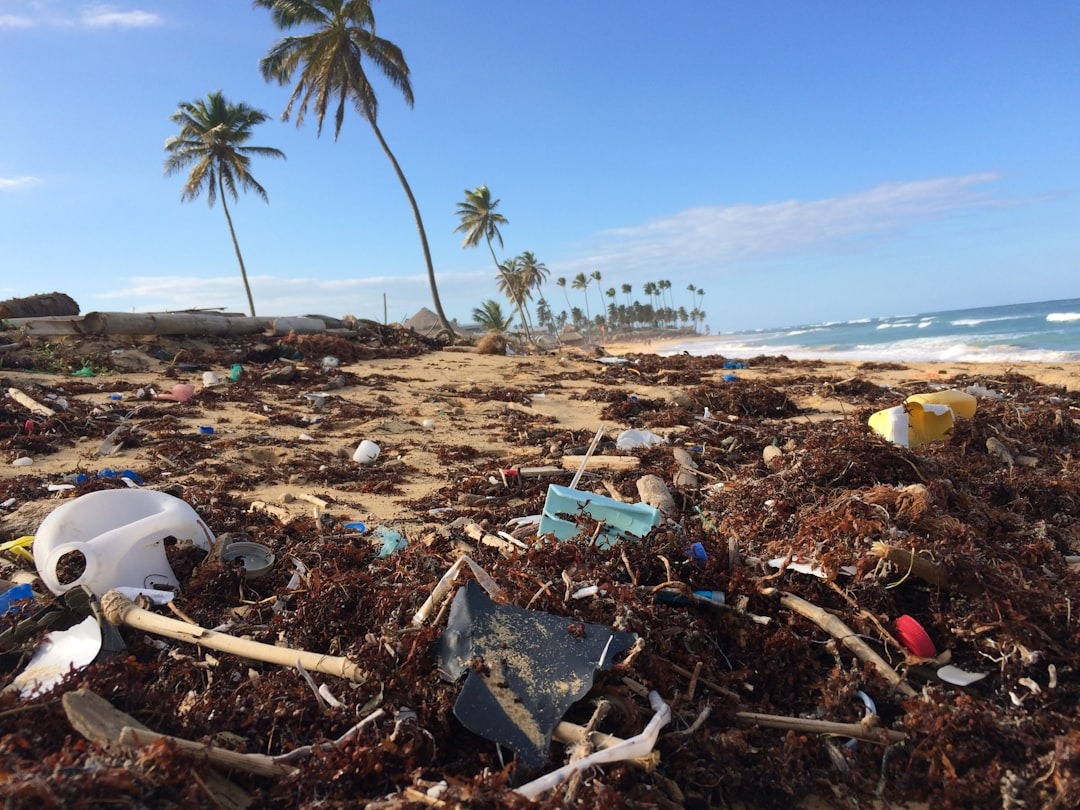
[FACT] Plastic entering the ocean — from coastal sources, from rivers, and from fishing vessels and shipping — gets caught in ocean currents and gradually transported toward the gyre’s centre over months or years. Once within the gyre’s central region, the relatively weak and stable currents mean debris tends to remain rather than disperse, allowing concentrations to build over time.
The Myths — Examined
Myth 1 — It Is a Solid Island of Trash
The claim: The Great Pacific Garbage Patch is a solid, continuous mass of floating trash that could theoretically be walked on or photographed as a coherent landmass.
The evidence: [FACT] The patch is not a continuous mass. It is a region of significantly elevated debris concentration compared to surrounding ocean waters, but the debris is dispersed across a vast area of open ocean rather than forming a solid surface. Much of the plastic — particularly the older, more degraded material — exists as microplastics suspended throughout the upper water column rather than floating visibly on the surface. A ship sailing through the patch would not see a continuous field of trash; they would see ocean water with intermittent plastic debris, with concentration increasing toward the centre of the affected region.
Myth 2 — It Is Twice the Size of Texas
The claim: The patch covers an area twice the size of Texas (approximately 1.4 million square kilometres for comparison).
The evidence: [FACT] The 2018 Ocean Cleanup study estimated the patch’s area at 1.6 million square kilometres — which would indeed make it larger than Texas (approximately 695,000 square kilometres), supporting the “twice the size of Texas” comparison in terms of raw area. However, this size comparison is misleading without context: the patch has no fixed boundary, debris concentration varies enormously across that area, and most of the region within the estimated boundary contains very low debris density rather than uniform coverage. The comparison to a landmass implies a continuous, solid area in a way that does not reflect the actual distribution of debris.
Myth 3 — It Is Visible From Space
The claim: The Great Pacific Garbage Patch is large and dense enough to be visible from space, similar to the Great Wall of China.
The evidence: [FACT] NASA has explicitly addressed this claim and confirmed it is false. The patch is not visible from space, satellite imagery, or aircraft. The debris is too dispersed, too small (particularly the microplastic component), and too low in surface density to be optically visible even with sophisticated imaging equipment. Interestingly, even the Great Wall of China — the classic comparison for “visible from space” claims — is also not reliably visible to the naked eye from low Earth orbit, making this a doubly inaccurate comparison.
Myth 4 — It Can Be Cleaned Up With a Single Effort
The claim: The patch can be efficiently cleaned up using surface collection technology, solving the problem within a defined timeframe.
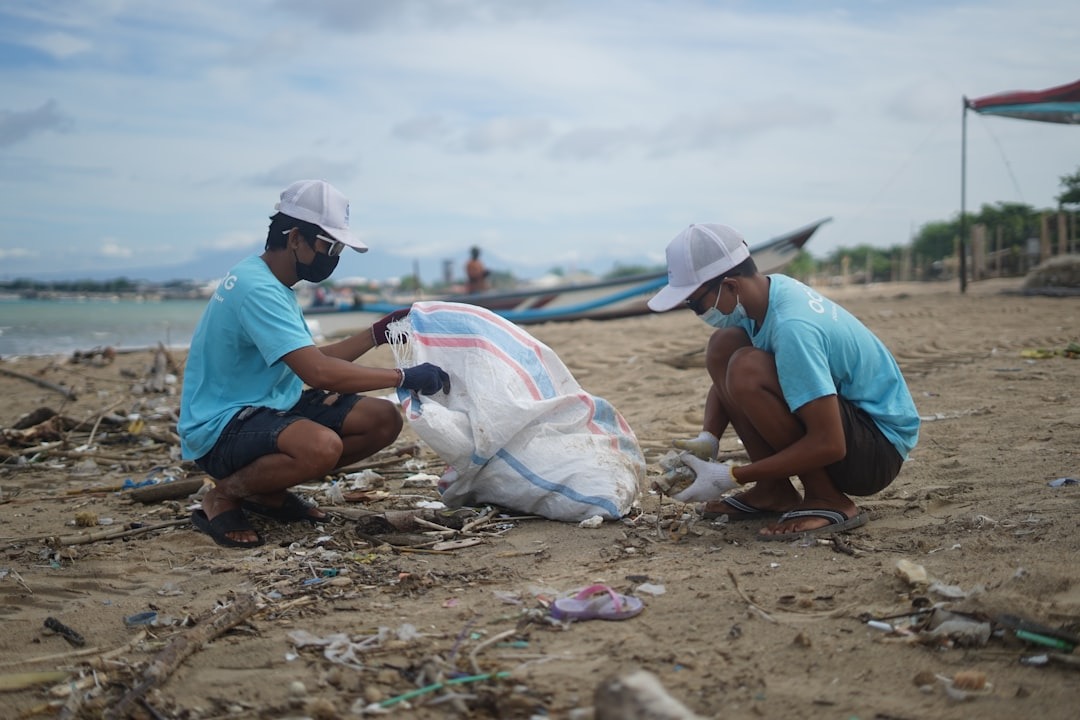
The evidence: [FACT] Surface collection technology, such as that deployed by The Ocean Cleanup organisation, can remove larger plastic debris effectively, and has demonstrated meaningful results in pilot deployments. However, the majority of the patch’s environmental harm comes from microplastics distributed through the water column — particles too small and too dispersed for surface collection systems to capture efficiently. Cleanup efforts also do not address the ongoing input of new plastic debris from land-based and maritime sources, meaning continued accumulation occurs even as cleanup efforts proceed. Most marine scientists consider source reduction — preventing plastic from entering the ocean in the first place — to be at least as important as cleanup of existing debris.
What Is Actually in the Patch
[FACT] The 2018 Ocean Cleanup study, which conducted the most comprehensive survey of the patch to date using aerial surveys and trawl sampling, found that the debris breaks down into several categories by mass: fishing nets and gear (46%), hard plastic objects and fragments (significant portion of remaining mass), and microplastics (small in mass but enormous in particle count — the same study found microplastics made up 94% of the estimated 1.8 trillion pieces by count, despite representing a small fraction of total mass).
[FACT] A significant proportion of the identifiable larger debris bears markings or characteristics that allow source identification — including fishing equipment traceable to specific fishing fleets and consumer products with country-of-origin or brand markings, providing evidence of the debris’s diverse and international origins.
[FACT] Researchers have found a phenomenon known as the “neopelagic community” — coastal marine species, including crabs, anemones, and molluscs, that have colonised the floating plastic debris and are now living and reproducing far from their native coastal habitats. This represents an unprecedented ecological phenomenon — coastal species establishing persistent populations in open ocean environments using plastic debris as a substrate.
Where the Plastic Comes From
[FACT] Research published in Science in 2017 estimated that the majority of plastic entering the ocean globally comes from a relatively small number of river systems, predominantly in Asia, that carry land-based plastic waste from densely populated coastal regions to the ocean. However, the Great Pacific Garbage Patch specifically draws debris primarily from Pacific Rim countries and from maritime fishing and shipping activity within the North Pacific.
[FACT] The high proportion of fishing-related debris (46% of patch mass) reflects the significant contribution of commercial fishing operations to ocean plastic pollution — lost or discarded nets, lines, traps, and buoys that continue to drift and accumulate in ocean currents for years or decades after being lost.
[FACT] Land-based plastic waste — packaging, bottles, bags, and consumer products — also contributes significantly, though the precise breakdown between fishing-industry and land-based sources varies depending on the specific study methodology and the region of the patch being sampled.
The Environmental Impact
[FACT] Marine wildlife is significantly affected by plastic pollution in the gyre region. Documented impacts include entanglement in fishing gear and other plastic debris, ingestion of plastic by seabirds, fish, and marine mammals (with documented effects on digestion, nutrition, and survival), and the introduction of toxic chemicals that leach from degrading plastic into the marine food chain.
[FACT] Midway Atoll, located within the broader North Pacific gyre region, has been extensively documented as a site where albatross chicks die from being fed plastic debris by their parents, who mistake floating plastic fragments for food. This has become one of the most widely circulated documentation cases of plastic’s direct impact on marine wildlife.
[FACT] Microplastics have been found throughout the marine food chain, from plankton to large predatory fish, raising ongoing scientific concern about bioaccumulation and the potential for microplastics and associated chemicals to enter human food systems through seafood consumption. Research into the human health implications of microplastic exposure through food and water is ongoing and represents an active area of scientific investigation as of 2025.
What Is Being Done
[FACT] The Ocean Cleanup Foundation, founded by Dutch inventor Boyan Slat in 2013, has deployed multiple generations of surface collection systems specifically targeting the Great Pacific Garbage Patch. Their System 03, deployed from 2023, has demonstrated the capacity to collect significant quantities of plastic debris per deployment cycle, with the organisation reporting cumulative collection of several million kilograms of plastic as of 2025.
[FACT] International policy efforts, including ongoing United Nations negotiations toward a global plastics treaty, aim to address the upstream sources of ocean plastic pollution — production limits, waste management infrastructure investment, and extended producer responsibility schemes that hold manufacturers accountable for the end-of-life impact of plastic products.
[FACT] Fishing industry initiatives, including gear marking and recovery programmes, aim to reduce the contribution of lost and discarded fishing equipment — the single largest mass contributor to the patch.
[ANALYSIS] Most marine scientists and environmental researchers emphasise that cleanup technology, while valuable and worth pursuing, cannot solve ocean plastic pollution on its own. The scale of ongoing plastic production and disposal — estimated at over 8 million tonnes entering the ocean annually according to various studies — significantly exceeds current cleanup capacity. Source reduction, improved waste management infrastructure, and reduced plastic production are considered by the scientific community to be essential complements to any cleanup effort.
Why the Misconceptions Matter
[ANALYSIS] The popular misconception of the Great Pacific Garbage Patch as a solid floating island has real consequences for how the problem is understood and addressed. The “island” framing suggests a discrete, removable object — something that could theoretically be scooped up and disposed of, solving the problem definitively. The scientific reality — a vast, diffuse region of varying debris concentration, dominated by microplastics dispersed through the water column — is a fundamentally different and more difficult problem.
[ANALYSIS] Understanding the actual nature of the problem is important for setting realistic expectations about solutions. Cleanup technology can meaningfully reduce the larger plastic debris and the associated wildlife entanglement risks. It cannot, with currently available technology, address the trillions of microplastic particles dispersed through the water column, nor can it address the root cause of continued plastic input from land and maritime sources.
[FACT] The Great Pacific Garbage Patch is not unique — similar accumulation zones exist in other ocean gyres, including the North Atlantic, South Atlantic, South Pacific, and Indian Ocean gyres, each accumulating debris through the same basic mechanism. The North Pacific patch receives disproportionate public attention partly due to its early documentation and partly due to its proximity to heavily populated and well-resourced research institutions on the US West Coast.
Conclusion
The Great Pacific Garbage Patch is real, serious, and genuinely concerning — and almost nothing like the image most people carry in their heads when they hear the term. It is not a solid island. It is not visible from space. It cannot be definitively cleaned up with a single technological intervention.
What it actually is — a vast, diffuse accumulation zone where ocean currents concentrate plastic debris, dominated numerically by microplastics too small to see individually, containing an estimated 1.8 trillion plastic pieces and 80,000 tonnes of material — is in some ways a more troubling problem than the popular myth, precisely because it cannot be solved by simply scooping up an island of trash.
The patch is a symptom of a much larger problem: the scale at which human societies produce and discard plastic, and the inadequacy of current systems to prevent that plastic from reaching the ocean. Addressing it requires both the visible, dramatic work of ocean cleanup and the far less visible, far more difficult work of reducing plastic production, improving waste management, and changing the systems that allow millions of tonnes of plastic to reach the sea every year.
The island in your head is not real. The problem in the ocean is.
Written and reviewed by the MysteryVerse editorial team. Facts sourced from The Ocean Cleanup Foundation’s 2018 Scientific Reports study, NOAA Marine Debris Program publications, peer-reviewed research published in Science (2017) on global plastic waste sources, and official NASA statements addressing the “visible from space” claim.
This article is updated periodically as new research and cleanup data becomes available. Last updated June 2025.
Spotted an error? Contact us and we will correct it promptly.